
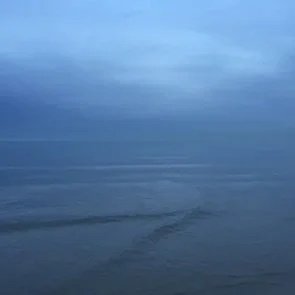
“Blue is singularly important here because it is the color of imagination.”
Blue summons us into the depths. Depths where anguish lives. Sometimes suddenly, other times slowly, never of our own accord. It’s a place of sea, mist, and sky. An infinite, luminescent, atmospheric blueness. A place where muted light originates from below and beyond. A lunar light that emphasizes what is ordinarily invisible.
Blue is an incantation composed of disparate memories and feeling-states. An incantation recited by parts of the Self who wander the periphery, barely remembered or forgotten entirely. They call to us from those distant reaches, drawing us into a blue netherworld imbued with sorrow. And mystery too. I’m feeling blue, we say. Blue, as in a low mood. Blue, as in down. Yet, it’s an enigmatic down. A down never quite fully understood. Depression, on the other hand, carries a distinct certainty. Its opaque heaviness presses upon us with no questions asked. Questions, however, and the yearning beneath them, are the infrastructure of blueness. Whereas the arid flatness of depression erases any hint of life, blue merely conceals it; compelling us into its virga-like arms so we might discover and know the subtle pulsation of life that only emerges from the most tender of places.
Out of the blue, we also say. Meaning unexpected and from the unknown. Born of the ineffable. In the geography of blue, something develops and materializes. Beyond damp eyes and balled up tissue, possibility coagulates. To accept this quiet and moody guest into the home of our psyche is to accept that, despite all discomfort, hurt, grief, and fear, we might awaken to a new position. To truly be with blueness is to engage in the often tearful and painstaking process of carving a window into the dull and monotonous wall of apathy, certainty, and distraction. To sit in the still endlessness of blue is to resist the seduction of answers and knowing. Likewise, to be in blueness is to resist superficial happiness. Happiness as product. The kind of happiness that is, at the end of the day, empty. In blueness, we enter the place hinted at in the expression out of the blue. In this location meaning incubates and insight waits. Blue enfolds us and we then unfold. Into and beyond the unfamiliar and strange edges that melancholy and imagination have prepared.
Regarding blue, James Hillman writes: “The blue firmament is an image of cosmological reason; it is a mythical place that gives metaphorical support to metaphysical thinking. It is the presentation of metaphysics in image form” (1989, p. 34-35). Hillman suggests blue as gateway to the unknowable. This manifests in both grandeur and humility. From a peak experience of gazing into the Milky Way at the summit of a remote mountain, to the torment of sitting on a floor in a moment of despair gazing into nothing. Blue communicates and mediates that which evades logical explanation, whether originating from outside or within and whether characterized by highs or lows.
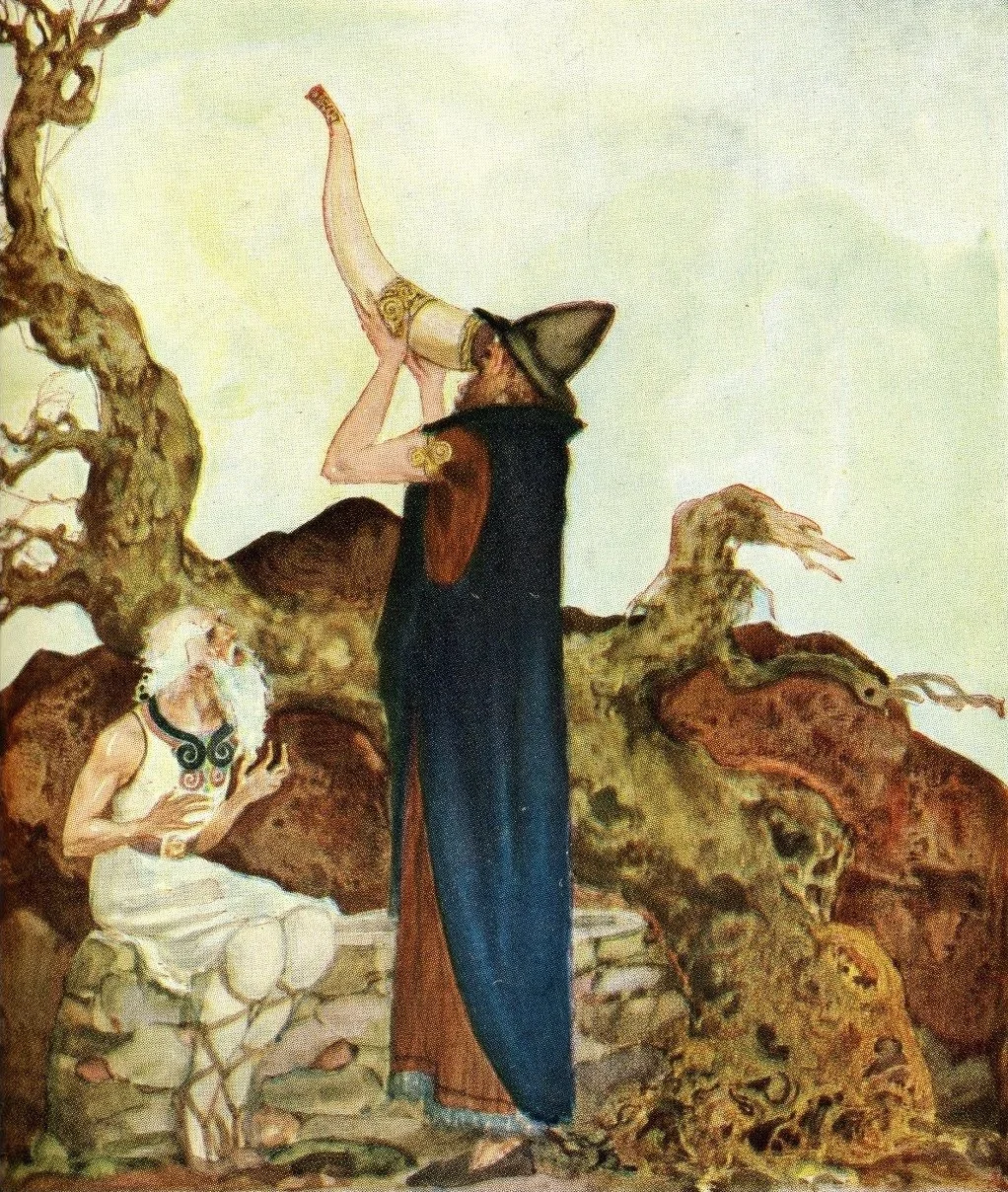
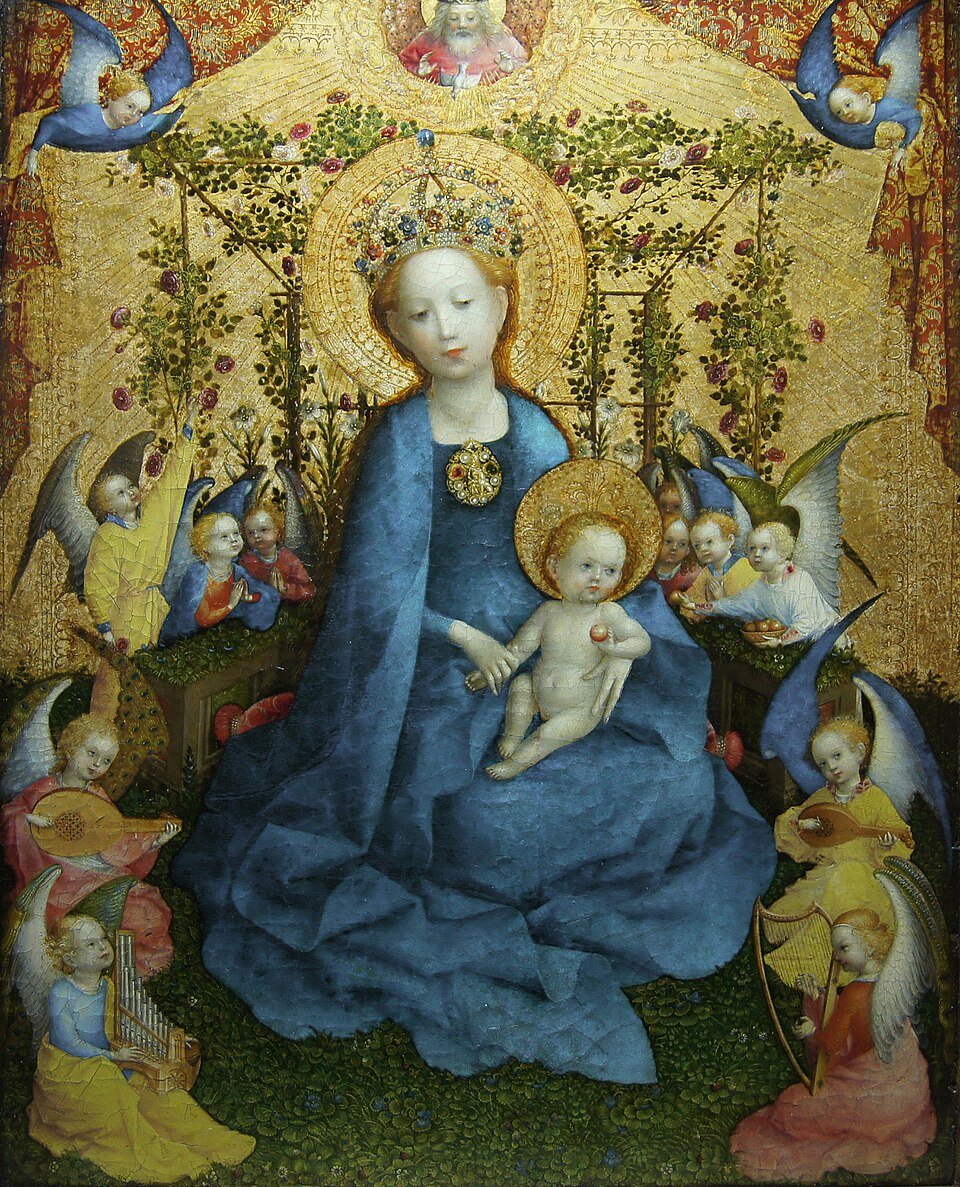
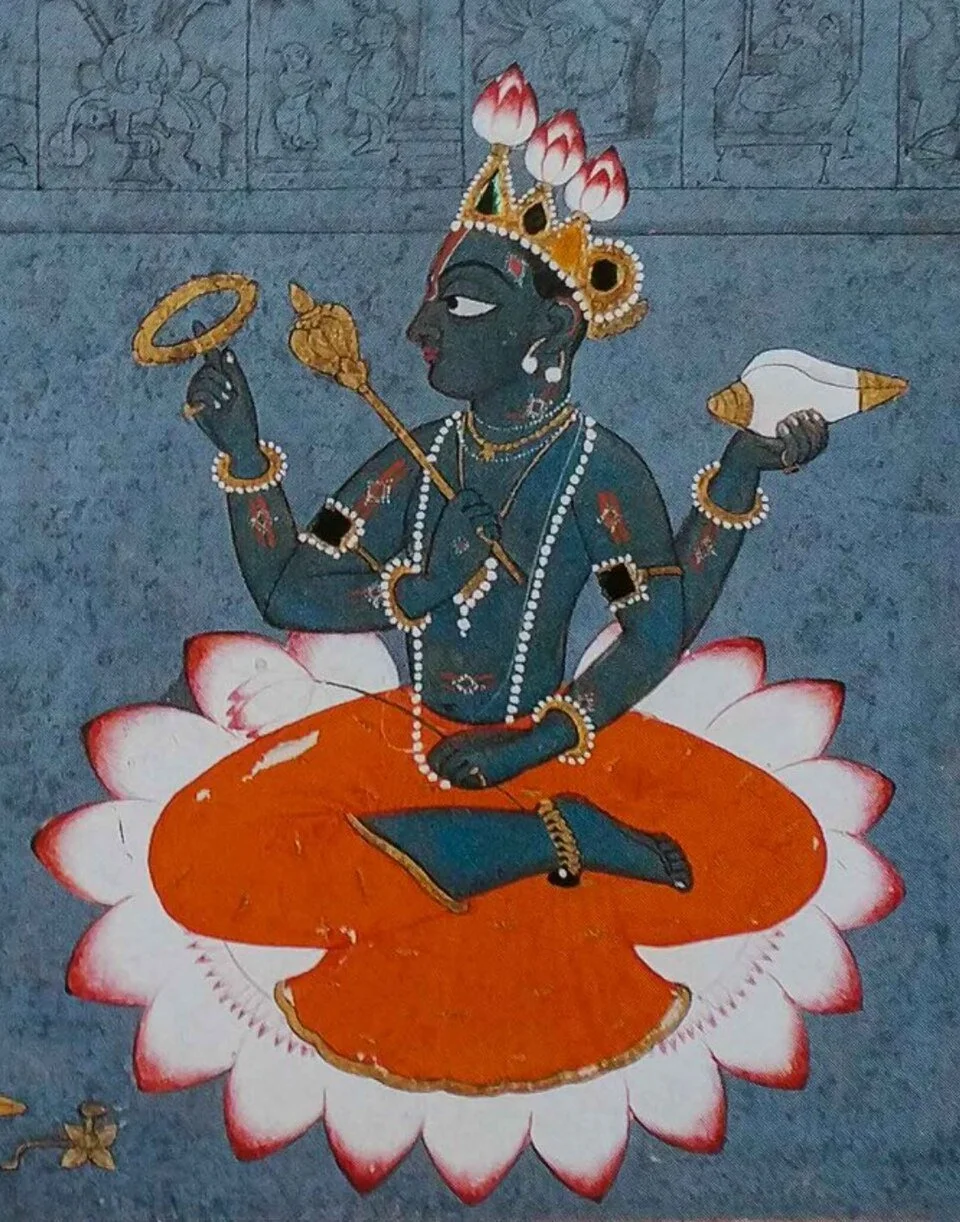
In art, mythology, and religion, blue evokes the transcendent. Hillman observes that “When myths say gods have blue hair or blue bodies, they have. The gods live in a blue place of metaphor, and they are described less with naturalistic language than with poetic ‘distortion’”(p. 34). In blue, the incommunicable coheres into myriad shapes available for discovery. Discovery not as understanding, but as greater capacity to be with the incomprehensible.

_-_stained_glass,_Mary_of_the_Immaculate_Conception,_detail.jpg)

_cropped.png)


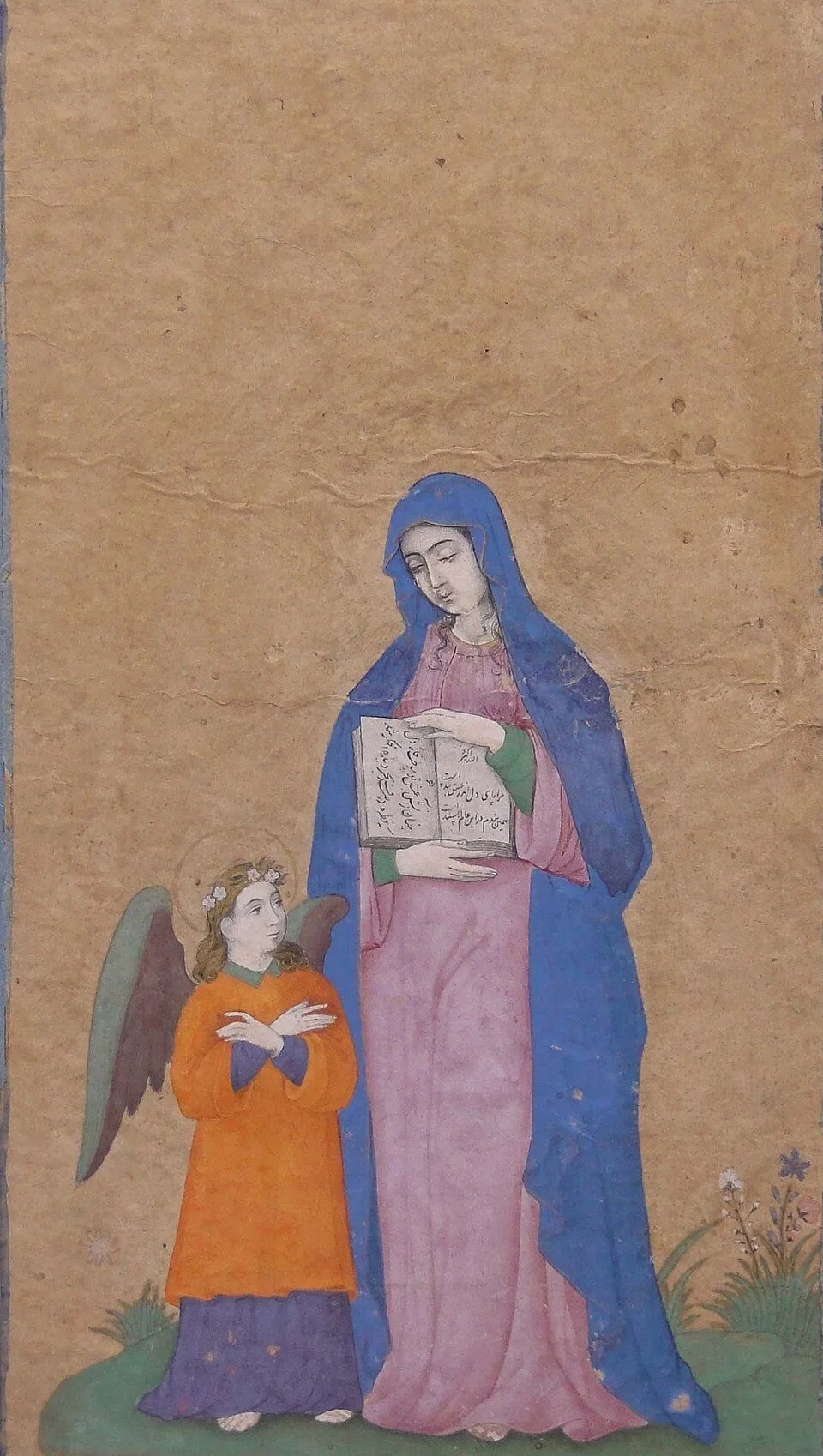
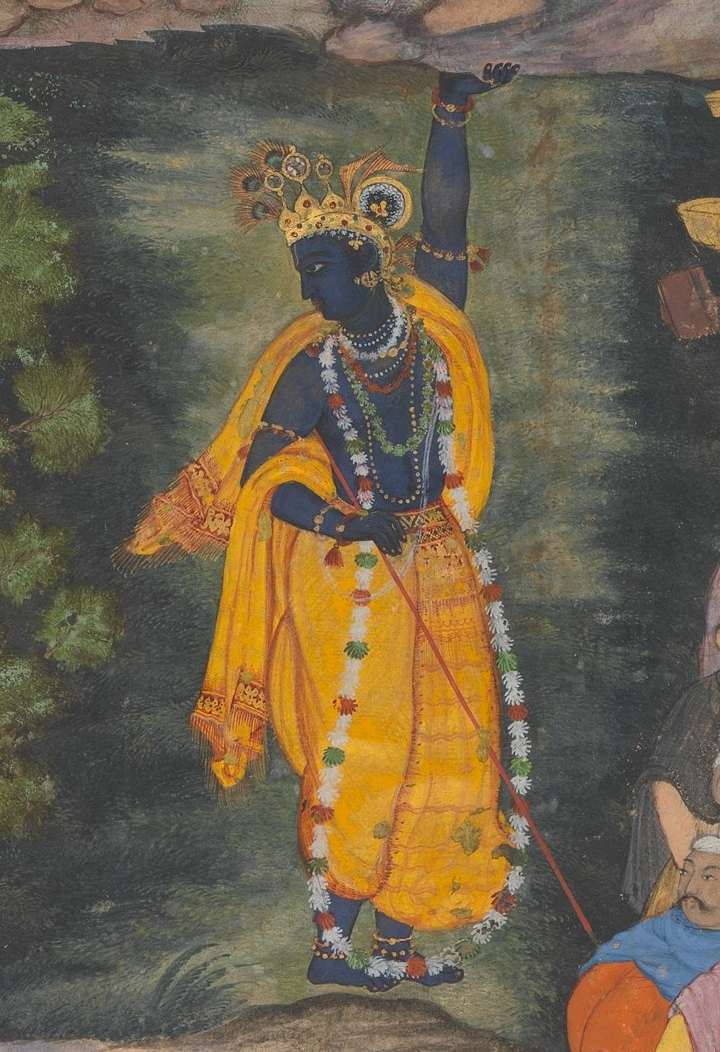
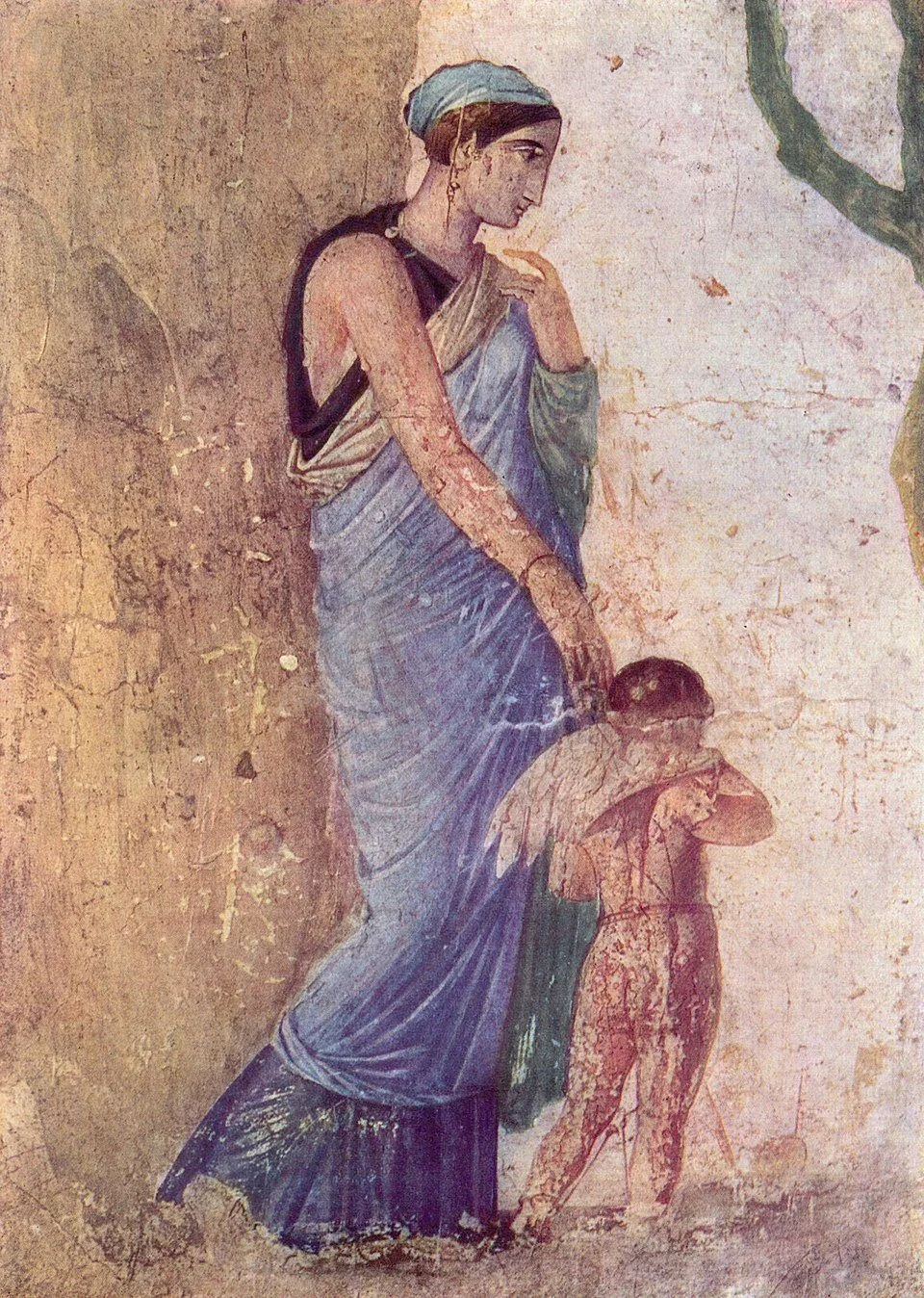
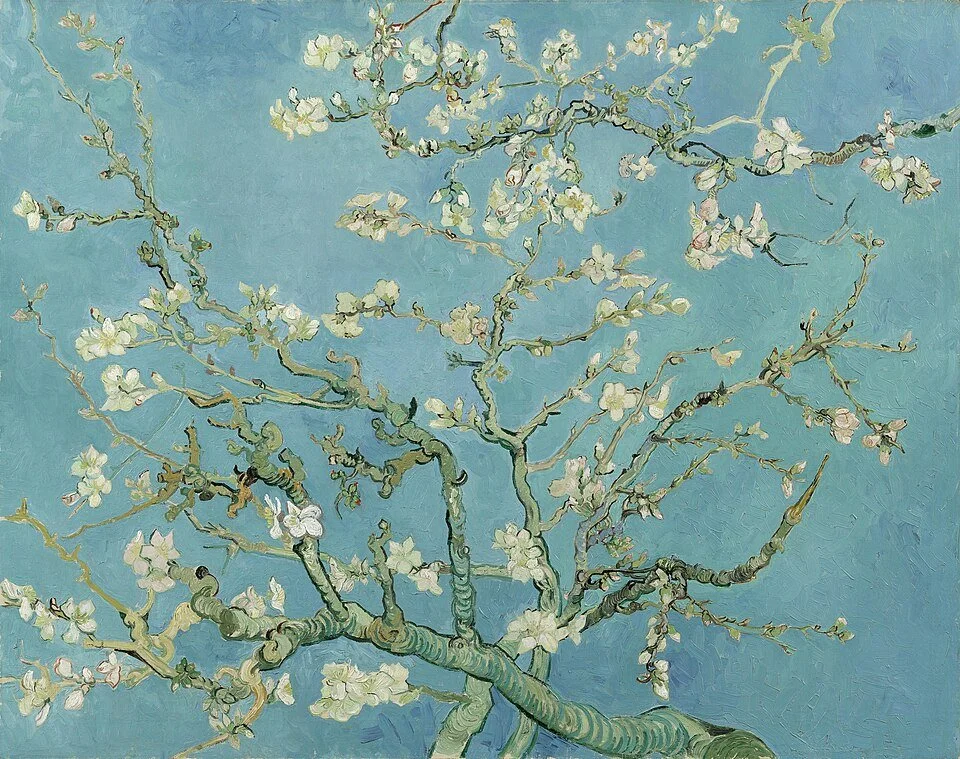
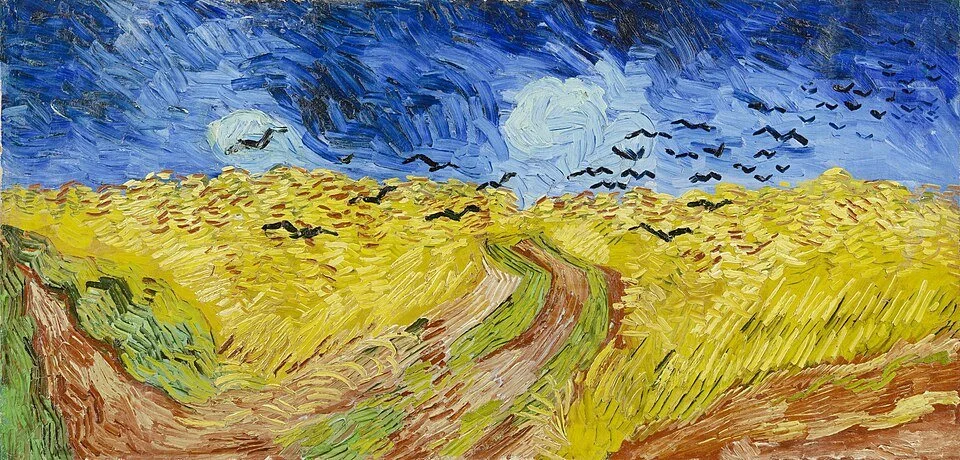
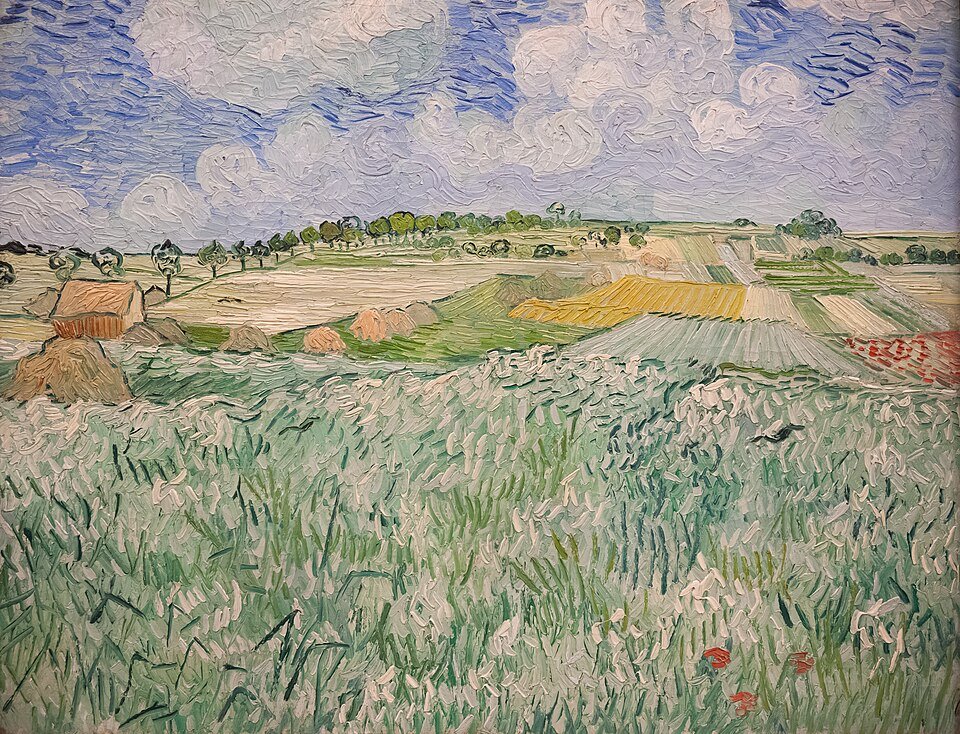
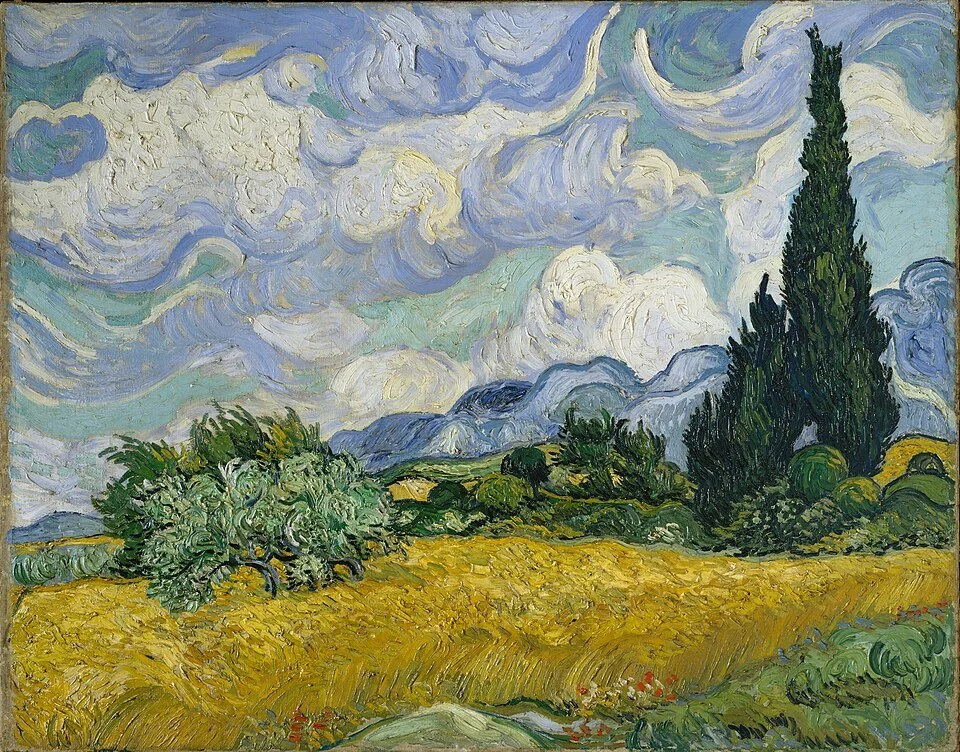
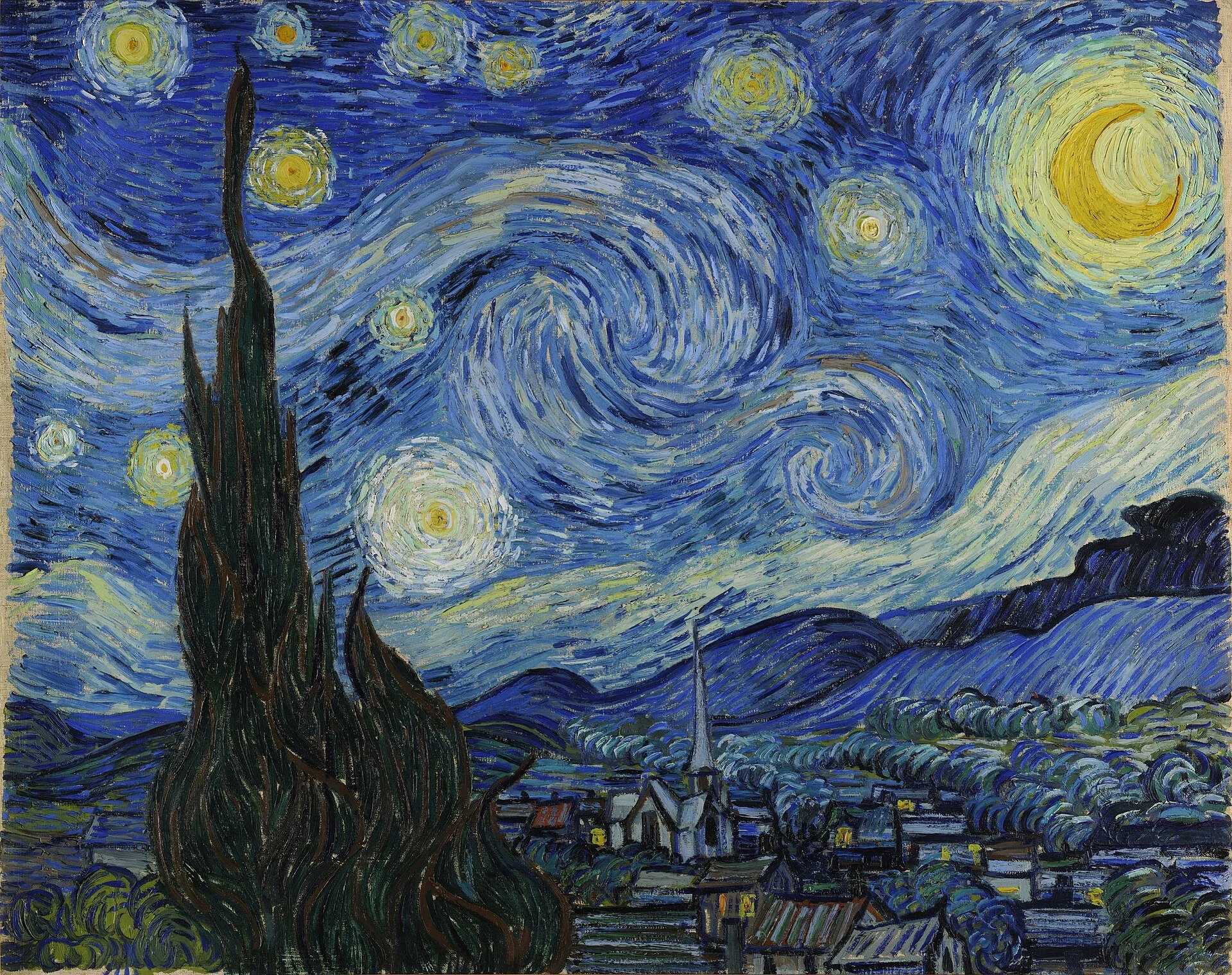
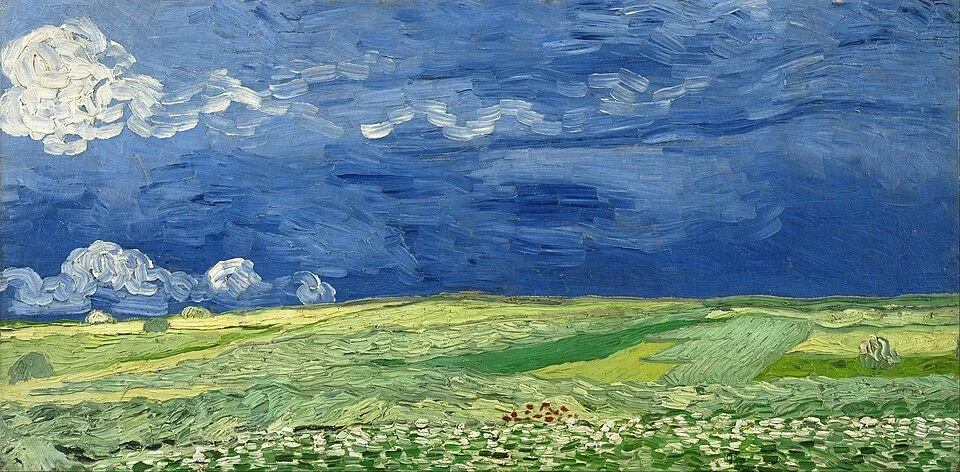
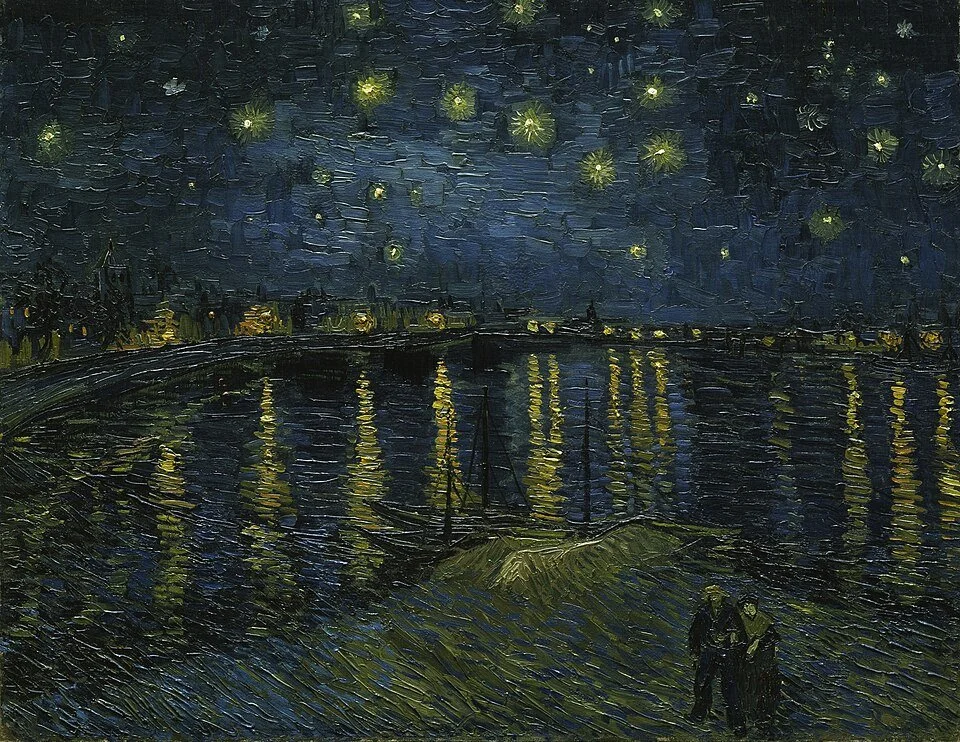
Elle Anderton draws a connection between the challenge of obtaining blue pigment in antiquity with its use to denote spiritual and religious significance. “The rarity of blue within these natural spaces,” she writes, “led early humans to think of the colour as precious and mystical.” The elusiveness of blue imbued it with a certain meaning that allowed for effective and powerful representation of the metaphysical. It underscored the value of what is intimated within blue’s layered translucence. Vincent Van Gogh’s use of blue is especially evocative. In a letter to his brother Theo he writes: “Cobalt - is a divine colour, and there’s nothing so fine as that for putting space around things.” Blue not as subject or object, rather as obscure atmosphere, as divine expanse.
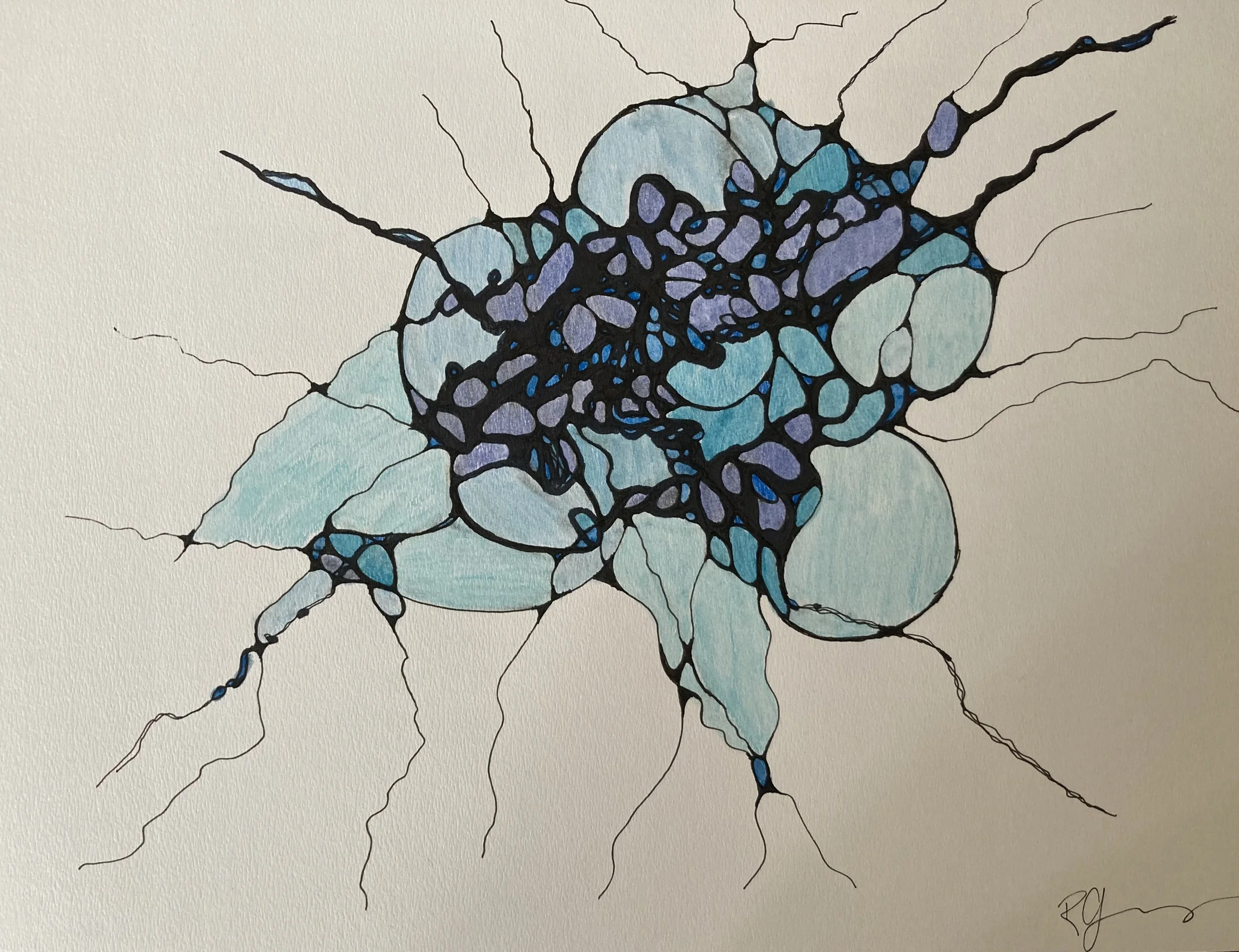
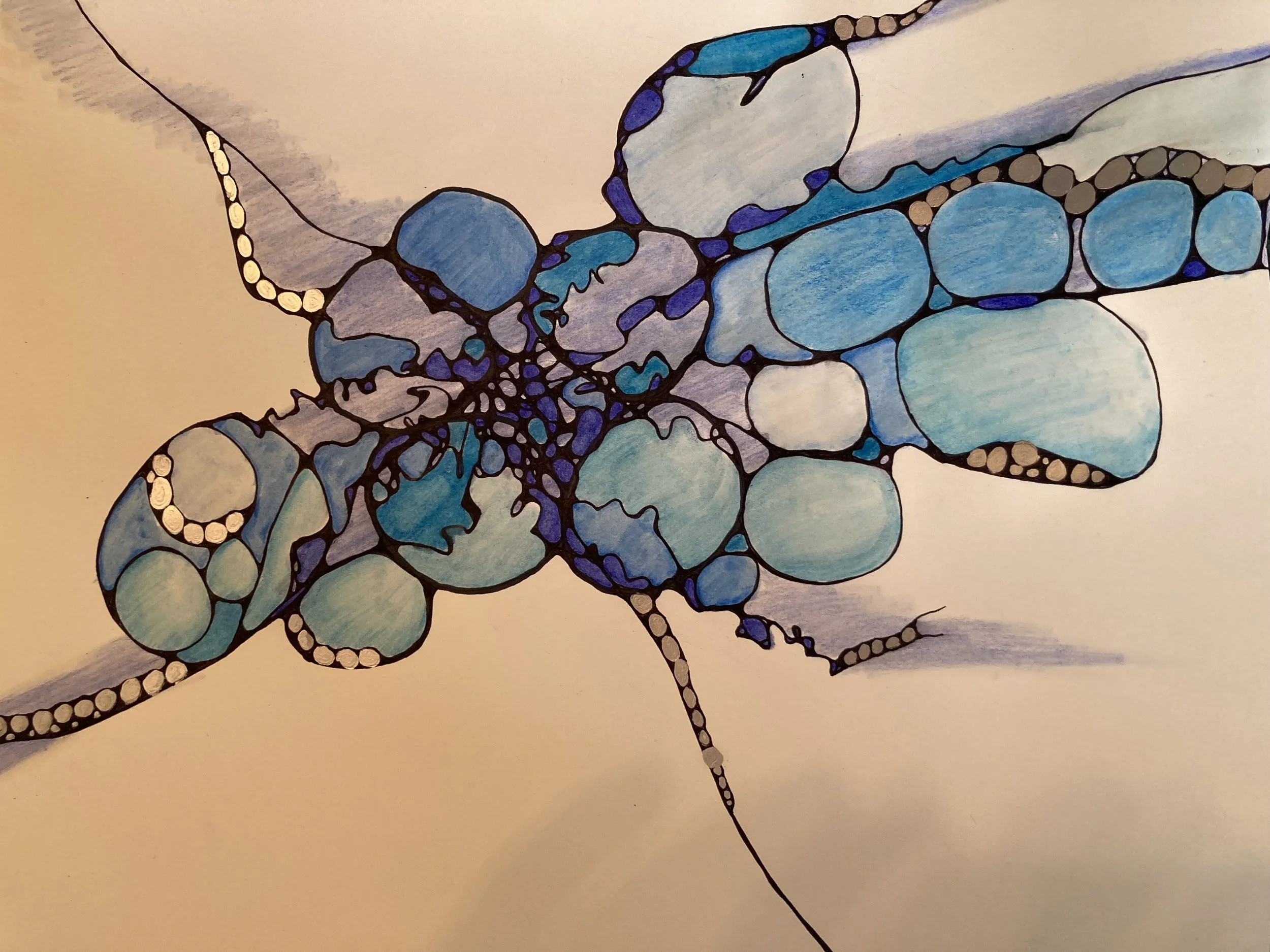
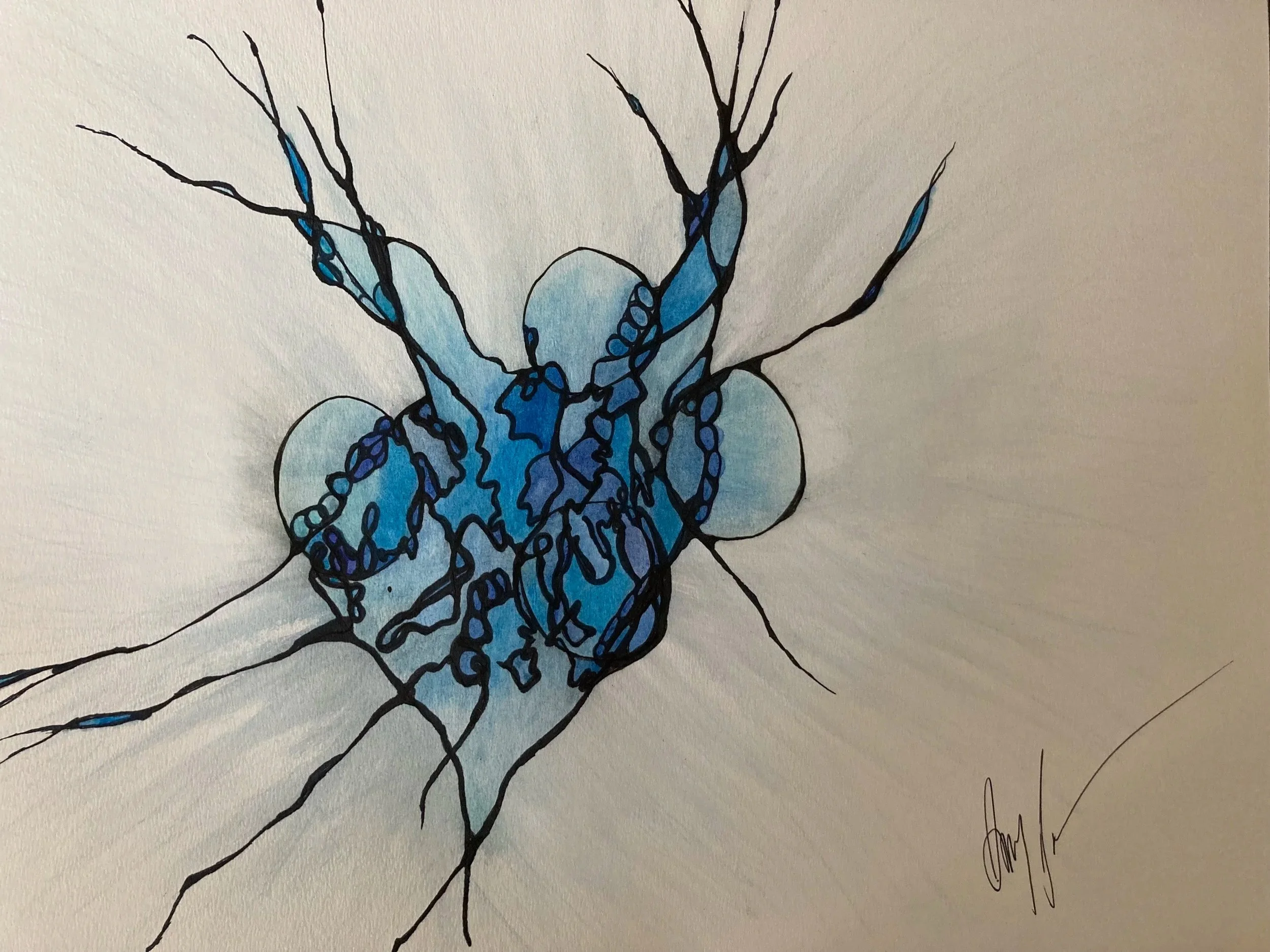
explorations of blue in neurographic art
Neurographic art is an image making practice that turns seemingly disconnected and random lines into a structured pattern that allows form to emerge from what initially appears discordant. Originally created by psychologist and architect Pavel Piskarev, it’s a therapeutic way to work with color and shape that is mindful, open, and free of judgment or expectation. The process allows the unconscious, emotions, and other inner experiences to emerge through the images that materialize. Below are examples, shared with permission, of neurographic art that specifically integrates and explores the theme of blue. This particular activity encouraged the participants to focus on voice and expression, which is associated with the throat or the “visuddha cakra whose dominant color is a smoky purple-blue” (Hillman, p. 35).
explorations of BLUE in MUSIC
Music expresses the essence of blue in a way that words and images alone cannot. Two classic albums, Miles Davis’ 1959 “Kind of Blue” and Joni Mitchell’s 1971 “Blue”, conjure moods and internal experiences that bring the listener into the evanescent and sublime composition of blue. These albums are auditory kaleidoscopes that map the capacious and dynamic field of blue, from homesickness, longing and heartache to playfulness, mystery, and joy.
While we can’t will our way into blue, we can create conditions that help open pathways toward it - Van Gogh’s art, Miles Davis and Joni Mitchell’s ablums, for instance. Another musical route to blue is Brian Eno’s “Deep Blue Day”. This instrumental, dream-like song lulls the listener into a blue-like ethereal reverie. Try lying down in a dark room and with headphones listen to this song on repeat. Give it at least 5 rotations and see what stirs. I believe it will take you somewhere approximating blue.
Two additional songs that express unique aspects of blueness are David Bowie’s “Sound and Vision” and Mazzy Star’s “Blue Light”. In lyric and melody the longing beneath blue is evoked. The songs also articulate the potential of blue to inspire. For instance, David Bowie sings: “Blue, blue / I will sit right down / Waiting for the gift of sound and vision / And I will sing / Waiting for the gift of sound and vision / Drifting into my solitude.” In blue, we travel through long corridors of loneliness and, staying the course, eventually reach solitude. There the gifts of sound and vision appear to us in manifold variations.
Meanwhile, embedded within the patterned, melodic, and meditative chords of “Blue Light,” Mazzy Star sings of the desire for, and promise of, connection: “There’s a world outside my / doorstep / Flames over everyone’s heart / Don’t you see them shining? / I want to hear them beating for me.” To understand blue is to know that the silent and solitary aching is what gives us the necessary eyes to see those flames over everyone’s heart. It’s what opens our ears so we might hear them beating for us. The songs, each in their own tone and mood, invoke the tension inherent between aloneness and relationship. Between agony and joy. Between blue sadness and blue mystery.
Mazzy Star | Blue Light
There’s a blue light in my best / friend’s room / There’s a blue light in his eye / There’s a blue light, yeah / I wanna see it shine
There’s a ship that sails by my / window / There’s a ship that sails / on by / There’s a world under it / I think I see it sailing / away
I think it’s sailing / Miles crashing me by
Crashing me by / Crashing me by
There’s a world outside / my doorstep / Flames over everyone’s / heart / Don’t you see them / shining? / I want to hear them / beating for me
I think I hear them / Waves crashing me by
Crashing me by / Crashing me by
David Bowie | Sound and vision
Don’t you wonder / sometimes / ‘Bout sound and vision?
Blue, blue, electric blue / That’s the color of my / room / Where I will live / Blue, blue / Pale blinds drawn all / day / Nothing to read / Nothing to say / Blue, blue / I will sit right down / Waiting for the gift of / sound and vision / And I will sing / Waiting for the gift of / sound and vision / Drifting into my solitude / Over my head
Don’t you wonder sometimes / ‘Bout sound and vision?
References:
Anderton, E. (April 2024). The power of blue: humanity, spirituality, and divinity. https://artuk.org/discover/stories/the-power-of-blue-humanity-spirituality-and-divinity
Blue & White Co. “Cobalt - A divine colour…for putting space around things”. https://www.blueandwhitecompany.com/journal-entry/cobalt-a-divine-colour-for-putting-space-around-things-van-gogh
Hillman, J. (1989). A blue fire: Selected writings (T. Moore, Ed.). Harper & Row.
McKnight Sethi, C. (n.d.). Understanding divine "blueness" in South Asia. Smarthistory. https://smarthistory.org/understanding-divine-blueness-in-south-asia/
Van Gogh Museum. Vincent’s Colours. https://www.vangoghmuseum.nl/en/art-and-stories/stories/vincents-colours
